
An exploration of the growing importance and rising demand for large vehicles across many aspects of modern life. This article examines a range of relevant topics and answers common questions related to the use of large vehicles in both personal and professional contexts. It highlights how these vehicles contribute to efficiency, productivity, and convenience in an increasingly complex and fast-paced world.
1. What Are The Benefits of Having Experience in Flight Training for Large Vehicle Operation?

Flight training provides operators a crucial understanding of aerodynamics, which can enhance their spatial awareness, a key skill for managing large vehicles on the ground. With flight training, individuals learn precise control and situational awareness, essential attributes when operating buses, trucks, or construction vehicles. This skillset not only contributes to safety but also boosts confidence in maneuvering large vehicles through tight spaces or during complex operations.
Individuals with flight training are often adept at quick decision-making, a trait that is vital when managing large vehicles in dynamic environments like urban traffic or construction sites. Such training underscores the importance of routine checklists and maintenance schedules, reducing the likelihood of mechanical failures. This procedural discipline supports effective fleet management, ensuring vehicles are in top condition and operationally efficient.
Operators can leverage their flight training experiences to foster teamwork and communication, vital when coordinating tasks involving large vehicles. Since flight scenarios often require collaboration, these skills translate seamlessly into ground operations where drivers must communicate with fellow workers and supervisors. Consequently, such trained individuals contribute significantly to the effectiveness of large vehicle networks within companies.
2. How Can a Forklift Enhance Efficiency in a Storage Facility?
Forklifts are indispensable assets in storage facilities due to their ability to quickly move heavy loads, saving time and labor costs. They allow for efficient organization and rearrangement of storage boxes and pallets, maximizing space utilization and reducing the physical strain on workers. By streamlining operations, forklifts contribute to increased productivity and reduced operational downtime.
The adaptability of forklifts supports diverse warehouse tasks from loading and unloading goods to stock rotation, making them versatile equipment in logistics. Equipped with various attachments, forklifts can handle different types of cargo, accommodating the changing needs of businesses without necessitating additional equipment purchases. This flexibility justifies the investment in forklifts for long-term business efficiency and expansion.
Safety is a paramount concern in any storage facility, and forklifts, with proper training and operation, reduce workplace incidents significantly. Their design allows for precise movement control within narrow aisles and tight confines, minimizing the risk of product damage and personal injuries. Implementing regular maintenance checks ensures forklifts remain reliable assets, consistently supporting the smooth operation of daily warehouse activities.
3. What Should You Consider When Setting Up a Fuel Delivery Business?
Starting a fuel delivery business necessitates extensive market research to understand local demands and the competitive landscape. Assessing the legal requirements and acquiring necessary permits ensures compliance with regulatory standards, securing the foundation of your business. Building a robust supply chain and securing reliable fuel suppliers are pivotal steps in maintaining consistent service delivery.
Investing in the right vehicles, particularly those equipped with state-of-the-art features for safe fuel transport, is fundamental to operational efficiency. These vehicles must be equipped with proper containment systems to prevent leaks and potential environmental impact. Additionally, employing drivers with CDL licenses and thorough knowledge of safety protocols can significantly enhance trust and reliability in your fuel delivery services.
Developing a strategic marketing plan, including both digital and traditional methods, will raise awareness and attract a diverse customer base. Offering competitive pricing paired with exceptional customer service can distinguish your business in a crowded market. Furthermore, leveraging technology for route optimization and digital payment systems streamlines operations, offering an edge over less tech-savvy competitors.
4. How Do Engine Replacements Impact Vehicle Performance Over Time?
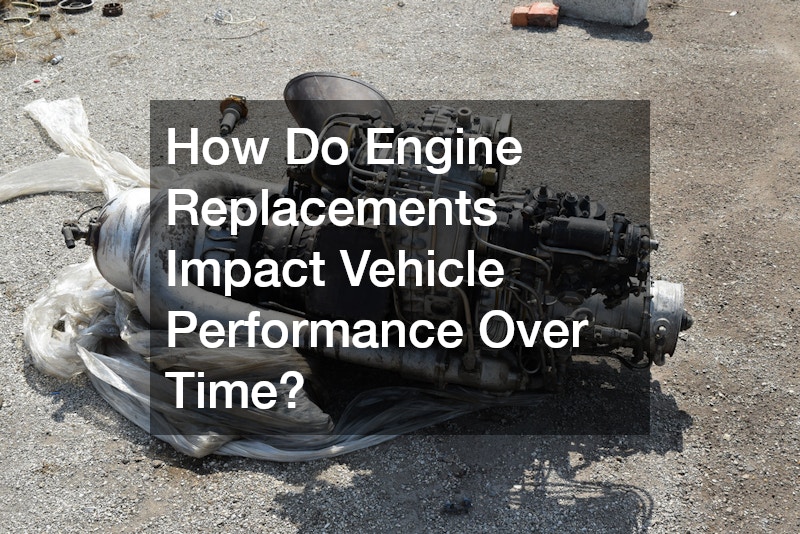
Engine replacements can rejuvenate a vehicle’s performance, often restoring it to near-new condition. By addressing worn-out components, replacements enhance fuel efficiency and reduce emissions, contributing to a vehicle’s environmental footprint. This is particularly beneficial for fleet operators looking to extend the life of their vehicles while maintaining regulatory compliance.
Regular engine replacements prevent chronic problems that arise from component wear, helping to ensure reliability over time. This proactive approach mitigates unexpected breakdowns and costly repairs, contributing positively to both safety and financial planning. With a new engine, vehicles often experience improved acceleration and power, directly enhancing their operational capabilities.
However, it’s crucial to consider the compatibility and quality of replacement engines to avoid future mechanical issues. Selecting OEM (original equipment manufacturer) parts can provide assurance of quality and performance standards. This investment in premium components underscores the importance of engine replacement timing and the selection of reliable service providers for installation.
5. Is a New Camper the Right Choice for Your Next Adventure?
Purchasing a new camper opens up a realm of adventure and travel possibilities, offering a personalized and comfortable travel experience. Modern campers come with a host of amenities, from fully-equipped kitchens to plush sleeping quarters, making them ideal for long road trips. This self-contained travel solution eliminates the need to rely on hotels, offering both flexibility and cost savings.
The choice of a camper hinges on understanding your travel preferences and frequency. New campers with advanced structural features provide enhanced insulation and better energy efficiency, ideal for diverse climates and sustainable travel. Evaluating various models and layouts ensures that the chosen camper meets the size and functionality needed for your planned adventures.
Investing in a new camper brings both the pleasure of travel and the advantage of modern safety and technology advancements. Features such as GPS navigation systems, solar panels, and enhanced braking systems elevate the overall travel experience. By choosing a camper that aligns with personal needs and preferences, travelers can maximize comfort and enjoyment on every journey.
6. What Options Are Available for Equipment Rental When You Need a Large Vehicle?
The equipment rental market offers a diverse range of large vehicles tailored to specific industries and projects. From cranes and excavators for construction projects to trucks and trailers for transport needs, the availability of choice ensures that businesses can find suitable solutions. Such flexibility allows companies to undertake large projects without the hefty investment required in purchasing heavy equipment.
Rental services often provide well-maintained and modern equipment, which minimizes the risk of downtime and operational delays. Providers also offer support services like delivery, setup, and maintenance, removing the operational burdens from businesses. This opportunity to leverage advanced equipment technology at a manageable cost is especially beneficial to companies experiencing rapid growth or seasonal demand fluctuations.
By opting for equipment rental, businesses can test different models and types of vehicles, allowing them to make informed purchasing decisions in the future. The option to upgrade rented equipment ensures access to the latest technological advancements, without the depreciation concerns associated with ownership. This cost-effective approach frees up capital for other business investments, highlighting the strategic advantage of rental solutions.
7. How Can RV Repair Services Keep Your Vehicle in Top Shape?
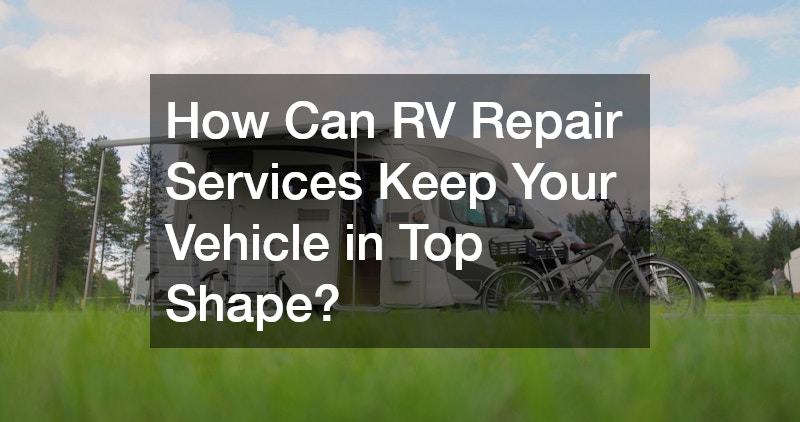
Routine RV maintenance is critical in preventing breakdowns and ensuring safety during travel adventures. Experienced rv repair services provide comprehensive checks covering electrical systems, plumbing, and mechanical operations. Attention to routine upkeep extends the lifespan of the vehicle, maintaining peak performance and comfort on the road.
RV repair technicians diagnose and address both minor issues and significant repairs, offering preventive solutions that mitigate future problems. Their expertise in identifying potential trouble spots, like water damage or unseen wear, helps in avoiding costly comprehensive repairs. Regular updates to the vehicle’s systems also contribute to maintaining efficiency, such as optimizing the fuel system for better consumption rates.
Having access to rv repair supports a seamless travel experience by reducing unexpected interruptions and enhancing a vehicle’s resale value. These services often provide consultations on potential upgrades, such as solar panels or new appliances, transforming the RV into a modern, energy-efficient travel haven. This proactive care ensures travelers can focus on their adventures rather than mechanical concerns.
8. What Are The Safety Protocols When Handling a Propane Tank?
Propane tank safety is essential to preventing accidents in both residential and commercial settings. Proper storage and handling ensure the tank remains in safe working condition, minimizing any fire hazards. Workers handling propane tanks must receive training on safety protocols, ensuring they understand the risks and management techniques for safe operation.
Regular inspection for leaks and valve integrity is crucial, as unnoticed defects could lead to gas leaks, potentially causing fires or explosions. Implementing rigorous monitoring, using detection systems, and maintaining clear safety labels can deter accident incidences. Clear signage and restricted access to storage areas further support robust safety measures.
Safety during propane tank transport involves ensuring secure mounting and adherence to transport guidelines. Quick-connect devices and regulators must be checked before and after use to maintain system integrity. These precautionary measures align with regulatory compliance standards, ensuring that businesses and individuals manage propane tanks responsibly.
9. How Does Excavating Equipment Benefit Large Vehicle Operators?
Excavating equipment plays a pivotal role in construction, mining, and agricultural projects by facilitating essential groundwork operations. These machines optimize efficiency, reducing the time required for tasks such as soil digging, rubble handling, and earthmoving. Operational precision benefits large vehicle operators, supporting seamless transitions between excavation and material transport functions.
Large vehicle operators benefit from the integration of excavating equipment, which complements heavy-duty transport trucks and loaders, improving project flow. Modern excavators often feature automated systems for enhanced accuracy, reducing manual labor and increasing site safety. This synergy between equipment and operators drives productivity and lowers operational costs.
Operators can undertake extensive training programs to master excavator controls, amplifying their proficiency and reliability in handling this critical machinery. Such training aligns with safety standards and operational guidelines, ensuring the equipment is used effectively and safely. The strategic use of excavators supports diverse industrial sectors, contributing significantly to the success of large-scale ventures.
10. What Are the Best Practices for Managing a Fleet of Large Vehicles?

Successful fleet management encompasses strategic planning, vehicle maintenance, and cost-effective operations to ensure business viability. Implementing software solutions for route optimization, fuel tracking, and real-time vehicle monitoring enhances operational efficiency and cost control. Effective communication and driver management practices foster team cohesion and support a proactive approach to vehicle care.
Regular vehicle inspections and maintenance schedules keep fleet reliability high and downtime minimal. Fleet managers must also consider the technological advancements in vehicles, such as telemetry and onboard diagnostic systems, to monitor performance and anticipate maintenance needs. These practices help in extending vehicle lifespans and maximizing return on investment.
Incorporating environment-friendly practices into fleet management aligns businesses with sustainability goals, attracting eco-conscious clients and reducing regulatory pressures. Transitioning to alternative fuel options or incorporating fuel-efficient engine replacements can significantly cut emissions. These strategies not only reduce environmental impact but also enhance the corporate image and market competitiveness.
As industries continue to evolve, the role of large vehicles is expected to expand even further, driven by technological advancements and increasing global demand. Innovations such as automation, electric-powered engines, and advanced safety systems are reshaping how large vehicles are utilized across sectors. Businesses that embrace these developments can improve efficiency while reducing long-term operational costs.
Moreover, workforce training and certification programs are becoming more essential, ensuring operators are well-equipped to handle increasingly sophisticated machinery. Investing in skilled personnel not only enhances safety but also improves productivity and reliability across operations. The integration of smart logistics systems, including data analytics and GPS tracking, further supports informed decision-making and optimized performance.
Ultimately, large vehicles will remain a cornerstone of infrastructure development, logistics, and travel. Their continued advancement highlights the importance of strategic planning, responsible management, and innovation in maximizing their benefits for both individuals and organizations. Regulatory frameworks will continue to evolve to ensure the safe and sustainable use of large vehicles across all industries. Businesses that stay informed and adaptable to these changes will be better positioned to remain competitive in a rapidly shifting market. In this way, the future of large vehicle utilization will be shaped by a balance of innovation, responsibility, and strategic growth.
About the Author